Table of Contents
Sorrow is a difficult process that varies from individual to individual. The 5 phases of pain denial, temper, negotiating, clinical depression, and approval are a helpful framework for considering grief, however it doesn't indicate we'll go via every stage. In a similar way, we can experience these aspects of despair at various times, and they do not take place in one particular order.
This site uses cookies to aid personalise material, customize your experience and to maintain you visited if you register. By remaining to use this website, you are consenting to our usage of cookies.
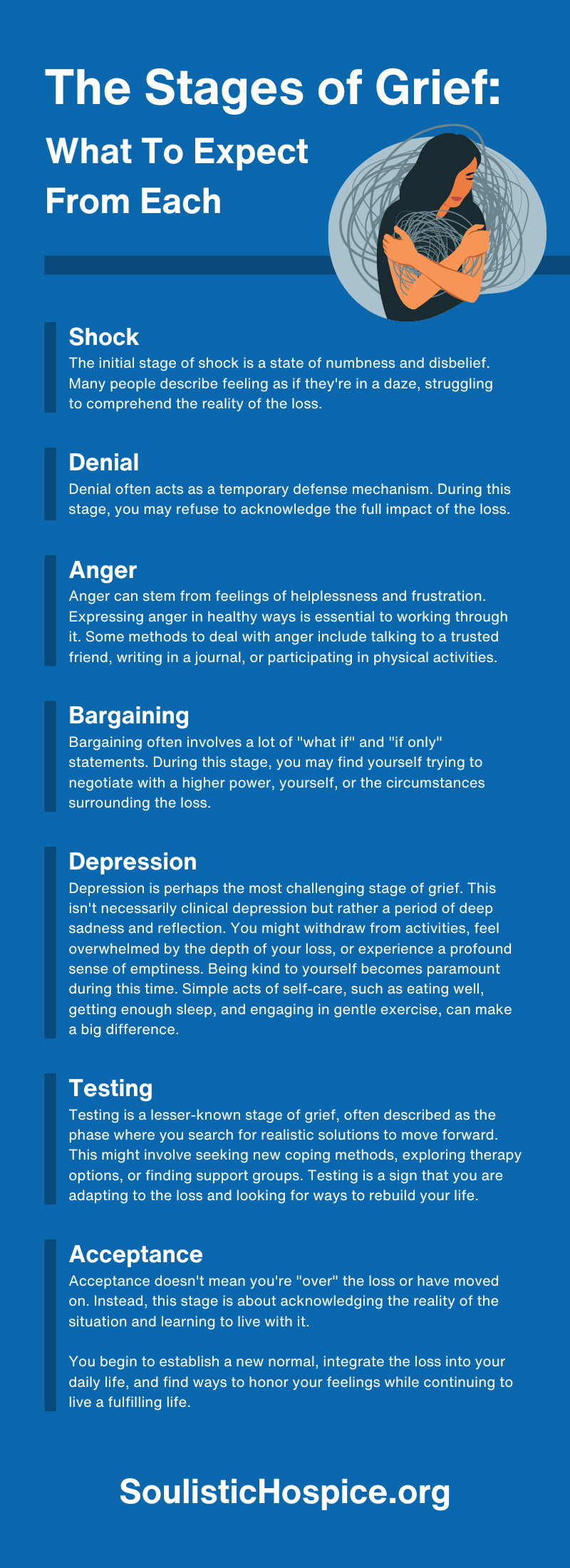
The seven phases of sorrow are a theme for just how a person may grieve. This cyclical framework is meant to assist you much better understand your feelings and is not intended to recommend how you should grieve, what you must be feeling, or in which order. Every person regrets in a different way. Each phase may come and go or overlap the others.
If you wish to find out more concerning your specific mourning process, it's an excellent idea to get to out to a relied on psychological wellness expert to understand yourself better and create ideal coping techniques. Discover extra about the seven phases of grief. Grief can be a tough and messy procedure. When a loss occurs, one of the first things you might experience is shock.
Why Specialized Care for Professionals Matters in Your Community
That's due to the fact that no one can ever before be genuinely gotten ready for a loss so considerable. Consequently, when you remain in shock after a loss, you may act generally or just as if absolutely nothing has occurred. The majority of the time, this is due to the fact that your body has not processed the loss yet. You might really feel like the scenario hasn't "sunk in" just yet.
These sensations and experiences are self-protective mechanisms that function as a buffer to make sure that you are not overwhelmed at one time. Due to the fact that the fatality of a loved one can have such a substantial influence on you, you could experience rejection. During this stage of grief, it is simply too difficult for your brain to understand that your member of the family, close friend, or various other enjoyed one is gone.
As you slowly start to accept the loss and what it indicates for your life currently, your denial will certainly begin to lessen. You might have a broader series of feelings and emotions when rejection wears off. Up until then, you might have durations when you feel distressed, which can be caused by tips of your enjoyed one.
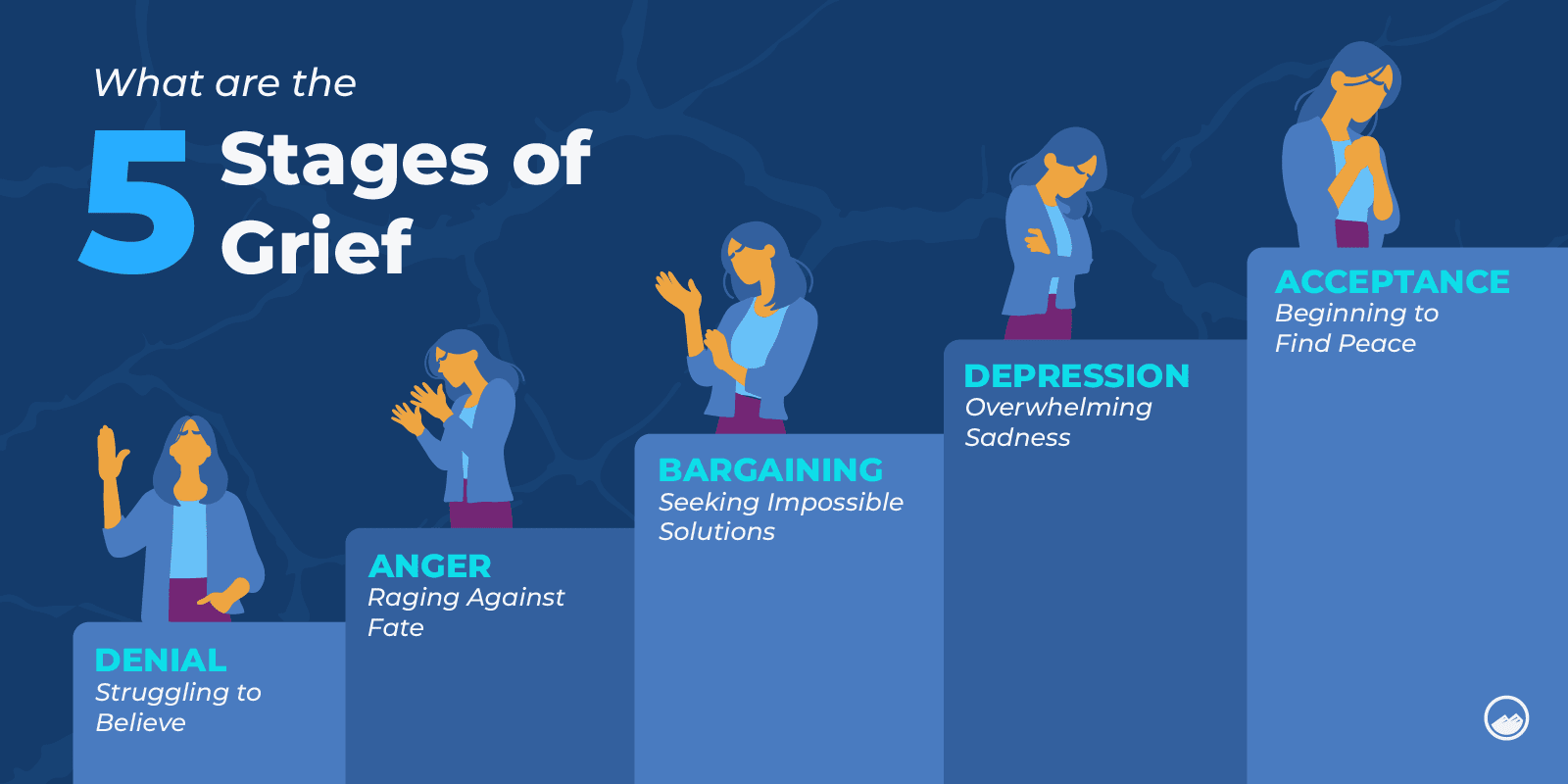
In many cases, it's a normal sensation to wish to stay clear of others so that you do not need to acknowledge or review your loss. Often, you really feel absent-minded, obtain conveniently distracted, or put things off during this stage of despair. You might likewise attempt to stay active all the time or closed down mentally.
The Parts That Drive Perfectionism
In certain situations, you might likewise feel mad with the healthcare suppliers, your close friends, relative, God, or any various other soul(s) you rely on. Under all that anger is your discomfort. While it may be uneasy to manage, it provides more structure to your grieving than staying numb.
During this phase, people usually feel defenseless and hopeless and ask themselves "suppose" questions. You may really feel guilty for refraining from doing even more to maintain the loss from taking place or for not spending even more time with the person you shed. Throughout the bargaining phase, it's typical to question or state, "I need to have done this ..." or "If I had only done that ..." While these sorts of questions are normal, they are not where you desire your mind to remain.
Finding the Appropriate IFS Therapist in Your Area for High-Achiever Therapy
Instead, attempt thinking of any kind of excellent memories you have with them. Often, merely mirroring on these ideas can assist you release the shame. It may likewise be handy to do something details, like create a letter to your liked one or talk to them out loud. Once you come to terms with the truth of the loss, a much deeper degree of sadness may begin to sneak in.
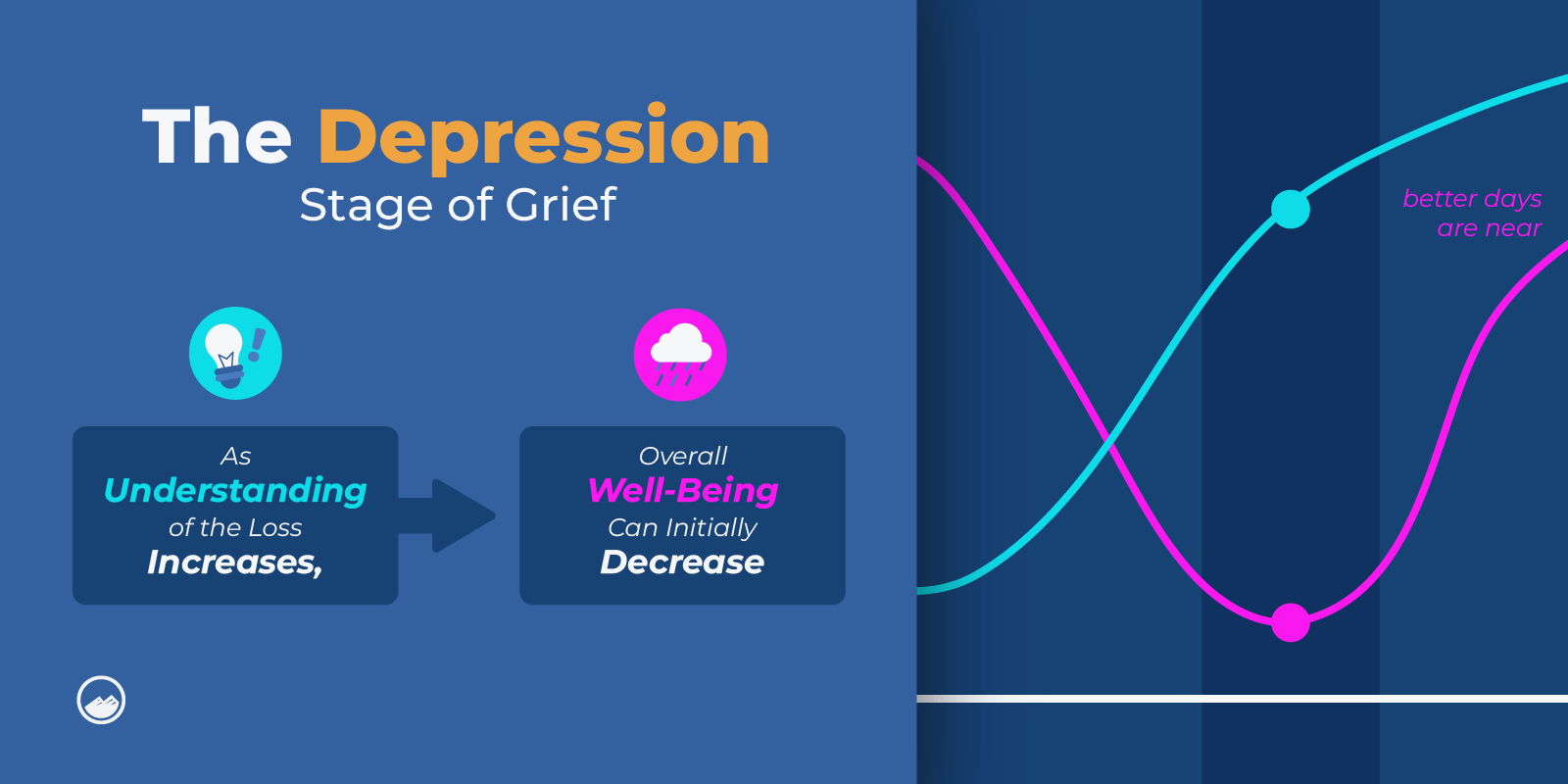
You can additionally go to for a listing of added resources or call the number below to reach Drug abuse and Mental Health And Wellness Solutions Administration (SAMHSA) hotline. The screening phase of the mourning process often includes trying different points that aid you move on. In this stage, you are beginning to construct your new regular in addition to processing your sensations and feelings developed by the loss.
Getting to the acceptance phase does not suggest you are OK with what occurred. Instead, this component of the mourning process is much more concerning approving what your life looks like now. You will certainly still need to pay attention to your feelings and adjust, however you will certainly start to feel even more wholeeven if it looks various than it did previously.

Table of Contents
Latest Posts
How Therapists Benefit from Customized Support in the Los Angeles Area
Maintaining Progress in Dialectical Behavior Therapy (DBT Optimized): Establishing Permanent Improvement with Phobias Support
Multilingual Psychiatric Therapy: Damaging Down Language Barriers in Mental Health Treatment
Navigation
Latest Posts
How Therapists Benefit from Customized Support in the Los Angeles Area
Maintaining Progress in Dialectical Behavior Therapy (DBT Optimized): Establishing Permanent Improvement with Phobias Support
Multilingual Psychiatric Therapy: Damaging Down Language Barriers in Mental Health Treatment